Rural Health Clinics

Turnkey Care Management for Rural Health Clinics

Praventa Health, Inc. delivers the clinical staff, HIE infrastructure, and grant-writing support to scale your clinic's care management capacity, at zero net cost to your organization.

The Model

Why do rural health clinics leave care management revenue uncaptured?

As a Rural Health Clinic, your mission is to provide an essential safety net for your community. However, severe staffing shortages, heavy administrative burdens, and strict compliance windows often make it impossible to capture critical care management revenue.

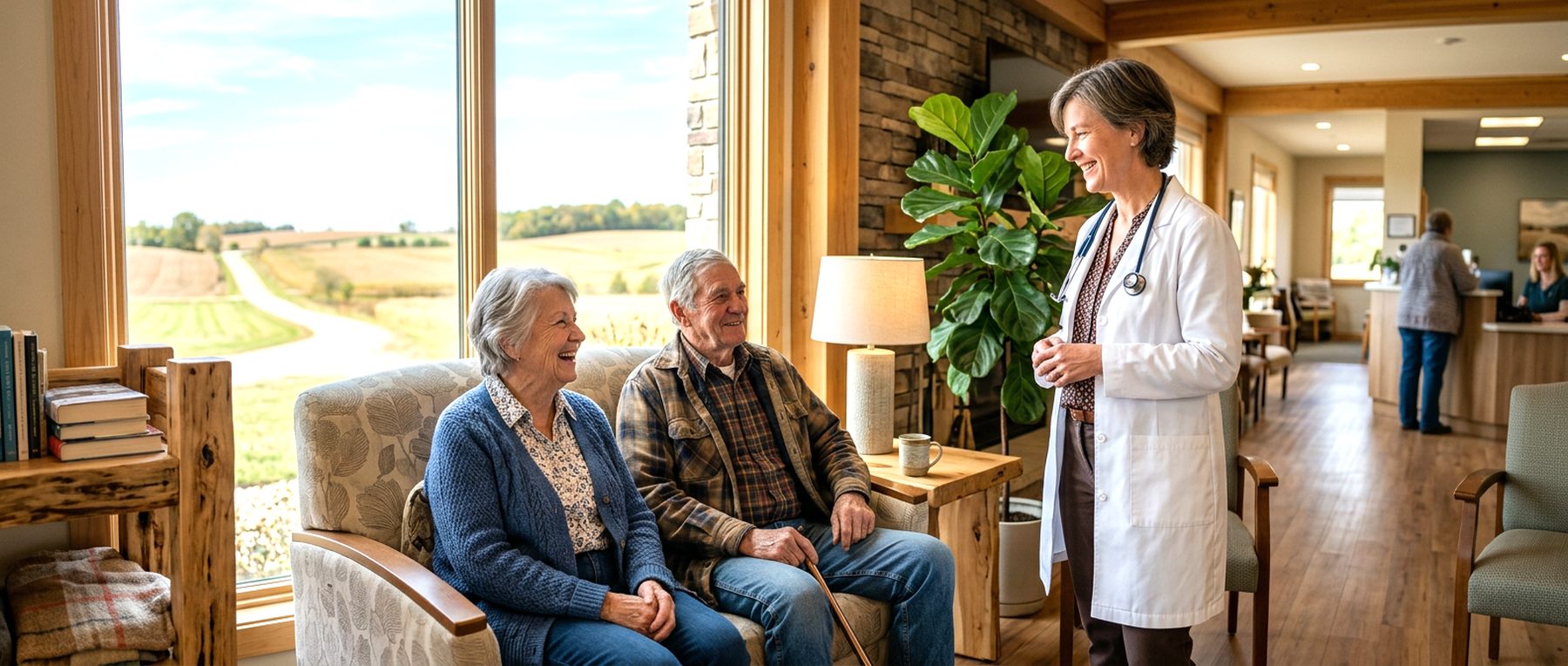
A small single-story rural clinic building set against open foothills and farmland.

Praventa Health acts as a seamless clinical extension of your team. We manage the non-face-to-face requirements of Transitional Care Management, which is where most rural programs begin, because a discharge is a fixed event with a fixed window and it is the moment a patient is most likely to come to harm.

Transitional care is rarely where the work should end. The same patient who was just discharged usually carries two or more chronic conditions, and the thirty-day window is the natural on-ramp into Chronic Care Management, where someone stays present between visits rather than waiting for the next acute event. Medication is where those two programs meet: a regimen changed during an inpatient stay is the single most common reason a rural patient deteriorates after going home, which is why Comprehensive Medication Management runs alongside both, with a pharmacist assessing every medication a patient is actually taking rather than the list in any one chart.

For a rural clinic, the constraint on all three is the same, and it is not clinical. It is having enough hands to do the non-face-to-face work on time, every month, for every eligible patient. Outsourcing that layer to Praventa extends your access to care without extending your payroll: the panel gets continuous coverage, the encounters come back to your clinic, and your providers keep doing the work only they can do.

The Praventa Advantage

No upfront costs. No tech fees. No internal burnout. Real turnkey care management.

We eliminate the traditional barriers that stop rural health clinics from launching care management programs.

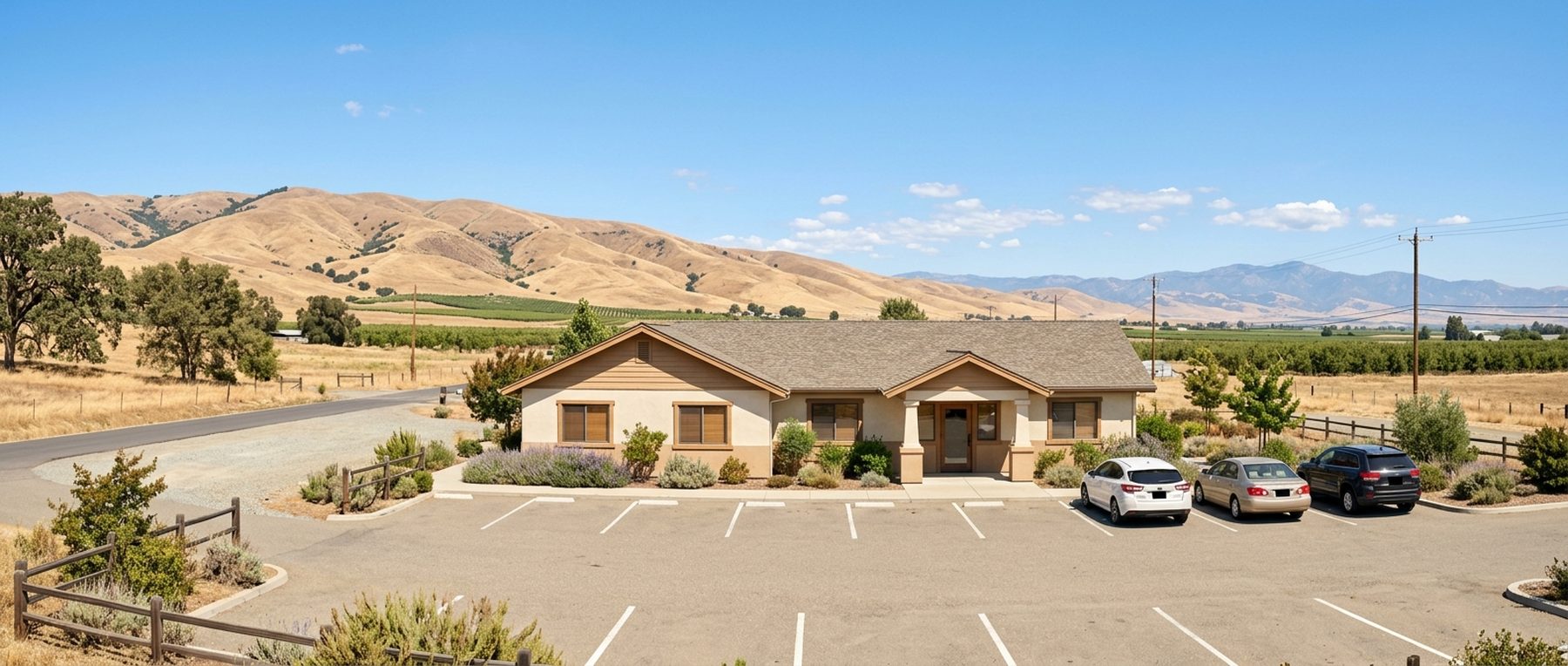
An older couple seated in a bright rural clinic lobby smiling in conversation with a physician, with farmland visible through the window.
01

Zero fees

There is no out-of-pocket cost to stand up your care management programs, and none to interconnect with the networks that make transitional care work. Praventa carries the connection through the Trusted Exchange Framework and Common Agreement (TEFCA), its designated Qualified Health Information Networks, and state or regional exchanges, so we ingest real-time hospital discharge notifications and route them into our workflows on your behalf. No integration invoice, no subscription, no predatory vendor fee to hook into an exchange.

02

Turnkey clinical workforce

Our remote team of clinical professionals handles the tedious, time-consuming telephone tracking, intensive patient coaching, and medication reconciliations.

03

Seamless chart integration

Praventa does not operate as a data silo. We deliver fully formatted, compliant encounter summaries directly to your team to upload as clean PDFs into your primary EHR, supporting audit defense.

04

Unclaimed revenue

Most rural clinics are already eligible for far more than they bill. Transitional Care Management pays per discharge and goes uncaptured on the majority of eligible discharges nationally. Chronic Care Management pays every month a qualifying patient is managed, and most eligible panels are never enrolled at all. Comprehensive Medication Management adds pharmacist-led review on top of both. Praventa does the non-face-to-face work that makes all three billable, and the encounters are reported by your clinic under its own NPI.

Grant Support

Ready-made grant packages: funding your internal transition

Even with Praventa handling the clinical outreach, updating your clinic's workflows requires internal staff time and resources. You should not have to pay out of pocket to modernize your care models.

A rural Oregon valley in morning light, green pasture and a fence line with conifer forest and mountains beyond.

Praventa provides rural health clinic executives with ready-made grant application packages built for the State Rural Health Transformation Program, which CMS is distributing to all fifty states, along with your state Medicaid agency's infrastructure funds and your regional managed care plan's capacity grants. When you partner with us, we hand you pre-written proposal text targeting awards of $50,000 to $100,000 to support the work of implementing care management, across three critical operational areas.

01

Workforce capacity extension

Grant funding offsets the hourly wages of dedicating an internal medical assistant or clinic liaison. This person serves as our secure on-site bridge, uploading Praventa's care summaries and routing high-risk clinical alerts directly to your on-site providers.

02

Clinic access optimization

Meeting Medicare's 7 or 14 day post-discharge visit timeline requires immediate appointments. Grant dollars fund the restructuring of your scheduling templates, absorbing the operational cost of reserving rapid-access slots for TCM patients.

03

Social needs and patient transport

Geography is the barrier that defeats rural programs most often. Our grant packages help you establish a dedicated patient transit pool, including rideshare vouchers, gas cards and non-emergency medical transport, so distance never causes a patient to miss their billable face-to-face follow-up encounter.

State Associations

What a statewide transitional care network is worth

Praventa Health, Inc. partners with state rural health associations and regional primary care associations to build something no single clinic can build alone: one transitional care network covering the rural communities across an entire state.

An agricultural valley at dusk, orchard rows running toward low foothills under a violet sky.
01

One standard of care, every community

Instead of each member clinic improvising its own post-discharge follow-up, every rural community in the state gets the same two business day contact, the same medication reconciliation and the same documentation standard, whether the clinic has two providers or twenty. That consistency is what makes a state-level measure move.

02

Interoperability without a project per clinic

Connecting one small clinic to a health information network is a project it cannot staff. Praventa connects once, through TEFCA designated Qualified Health Information Networks and the state or regional exchange, then extends that pipeline to every member clinic without exhausting the association's technical assistance budget.

03

A shovel-ready model for state funding

The State Rural Health Transformation Program is distributing funds to all fifty states, and associations are being asked what to build with them. A network already running across member clinics is a concrete proposal rather than a plan, and it shows funding landing in active, measurable rural care coordination.

04

Reimbursement that stays in the community

When member clinics do not bill for transitional or chronic care management, that federal reimbursement never reaches the rural economy at all. A statewide network recovers it clinic by clinic, and the collective reduction in 30-day readmissions shows up in the state's own rural health measures.

Common Questions

Related questions

Can a Rural Health Clinic bill transitional care management and chronic care management for the same patient in the same period?

Yes, and this is where rural health clinics differ from most practices. For a physician practice, CMS and CPT specify that the two are generally not billed in the same calendar month. RHCs and FQHCs are treated differently and may bill both for the same patient during the same period, provided every billing requirement is met and the dates of service do not overlap. Most vendor guidance repeats the practice rule and gets this wrong for rural clinics.

How do rural health clinics bill care management now that G0511 is gone?

HCPCS G0511 was the single general care management code for RHCs and FQHCs, and it is terminated. Since January 2025 rural clinics report the individual CPT and HCPCS base and add-on codes for each care coordination service instead, and from January 2026 those designated care management services are paid at the national non-facility rate. The codes in force are published annually with the Physician Fee Schedule final rule addenda, so confirm the current table rather than working from an older reference.

Does the clinic need to hire staff to run a care management program?

No. The work that consumes staff time is the non-face-to-face work: identifying the discharge, reaching the patient inside the required window, reconciling medications and documenting all of it. Praventa performs that remotely. Clinical staff may furnish those elements under the billing practitioner's general supervision, which is what makes the model work without adding payroll.

Who furnishes the face-to-face visit, and who reports the claim?

Your clinic does both. The face-to-face visit must come from the billing practitioner, meaning a physician, nurse practitioner, physician assistant, clinical nurse specialist or certified nurse midwife, subject to state scope of practice. The claim is reported by your clinic under its own NPI. Praventa never bills on your behalf and never interposes itself between your clinic and the payer.

How does hospital discharge information reach a rural clinic in time to act?

Through the exchange layer rather than the fax machine. Praventa connects to the Trusted Exchange Framework and Common Agreement and its designated Qualified Health Information Networks, and to state and regional health information exchanges, then routes real-time admission and discharge notifications into the workflow. The two business day contact requirement is the reason this matters: a discharge you learn about on day four is a discharge you cannot bill.

What does it cost a clinic to start?

There is no upfront cost and no integration fee. Praventa carries the cost of connecting to the exchange networks and supplies the remote clinical workforce. For the internal work that remains, such as dedicating a liaison and restructuring scheduling templates to hold rapid-access slots, we provide ready-made grant application packages written for the State Rural Health Transformation Program and comparable state and managed care funding.

How does transitional care management lead into chronic care management and medication management?

A discharge is a fixed event with a fixed window, which makes transitional care the natural place to start. The same patient usually carries two or more chronic conditions, so the thirty-day period is the on-ramp into chronic care management, where someone stays present between visits. Medication is where both meet: a regimen changed during an inpatient stay is among the most common reasons a rural patient deteriorates at home, which is why comprehensive medication management runs alongside both with a pharmacist assessing what the patient is actually taking.

Talk to us about your clinic or your member network

Praventa operates care management programs with its own clinical team and licenses the same platform to organizations running them in-house. Tell us how your clinic or association is structured and we will tell you which model fits.

Contact Praventa