 Skip to content
Comprehensive Medication Management
CMM is the standard of care that ensures each patient’s medications (i.e., prescription, nonprescription, alternative, traditional, vitamins, or nutritional supplements) are individually assessed to determine that each medication is appropriate for the patient, effective for the medical condition, safe given the co-morbidities and other medications being taken, and able to be taken by the patient as intended. CMM includes an individualized care plan that achieves the intended goals of therapy with appropriate follow-up to determine actual patient outcomes.


Service Overview
Clinical Pharmacy goes beyond traditional pharmacy roles by involving pharmacists directly in patient care. These healthcare professionals work closely with doctors, nurses, and other medical staff to make informed medication-related decisions. Their tasks include conducting comprehensive medication reviews, identifying potential drug-drug interactions, adjusting dosages based on patient response, and providing medication counseling. For the elderly, who are more susceptible to adverse drug events, the involvement of a clinical pharmacist can significantly improve the safety and effectiveness of their medication therapy.

For Patients
Engaging with Clinical Pharmacy services offers seniors personalized medication management, reducing the likelihood of adverse drug reactions and hospital readmissions. Patients gain a better understanding of their medications, including how to take them correctly and the expected benefits and side effects, leading to improved adherence and more active participation in their care. Enhanced medication counseling also empowers patients with knowledge about their treatment options, fostering a sense of control over their health.
For Providers
For healthcare providers, the integration of clinical pharmacists into the care team enhances the quality of care delivered. It brings a specialized focus on pharmacotherapy, ensuring that medication regimens are optimized for efficacy, safety, and patient compliance. This collaborative approach supports more effective treatment strategies, reduces medication errors, and contributes to more efficient healthcare delivery by preventing avoidable complications related to improper medication use.

How It Works

2.Evaluation of Medication Therapy
• Assess appropriateness of current medications (health conditions, indication, and the therapeutic goals of each medication)
• Evaluate effectiveness, safety, and affordability of therapies
• Assess medication-use and adherence of therapies
• Identify medication-related problems and evaluate
collaboratively the need for intervention(s)
1.Assessment of the Patient
• Review medical record using a problem-oriented framework (e.g. subjective and objective information) to determine the clinical status of patient
• Obtain and document complete medication history
• Obtain, organize, and interpret patient data
• Prioritize patient problems and medication-related needs
2.Evaluation of Medication Therapy
• Assess appropriateness of current medications (health conditions, indication, and the therapeutic goals of each medication)
• Evaluate effectiveness, safety, and affordability of therapies
• Assess medication-use and adherence of therapies
• Identify medication-related problems and evaluate
collaboratively the need for intervention(s)
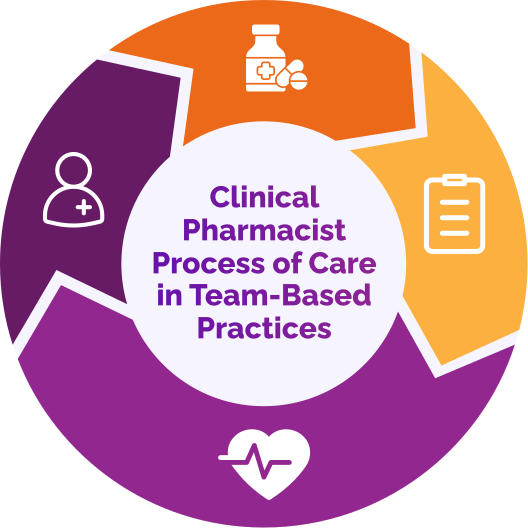
3.Development & Initiation of Plan
• Review patient’s active medical problem list for individualized assessment and plan for optimizing therapies
• Formulate a comprehensive medication management assessment and plan to achieve patient-specific outcomes
• Educate patient/caregivers to ensure understanding of the plan, optimize adherence, and improve therapeutic outcomes
• Establish patient-specific measurable parameters and time frames for monitoring and follow-up
4.Follow-up & Medication Monitoring
• Coordinate with other providers to ensure that patient follow-up and future encounters are aligned with the patient’s medical and medication-related needs
• Revisit medical record to obtain updates on the clinical status medication-related needs
• Conduct ongoing assessments and refine care plan to optimize medication therapy and ensure that individual goals are achieved
• Monitor, modify, document, and manage the care plan
Engagement and Call to Action
If managing medications feels overwhelming, or if you're concerned about the impact of your medications on your health, it's time to explore how Clinical Pharmacy services can support you. Talk to your healthcare provider about incorporating clinical pharmacy services into your care team. Together, we can ensure your medications are working for you, not against you, as part of your journey toward optimal health.
